Starting an STR Business
Starting a Short-Term Rental Business: The Phases You Don’t Want to Miss
Starting a short-term rental business requires careful financial planning, strict legal compliance, and active management. Our guide walks you through every step.

A short-term rental is a business, not a passive investment. You’re running a small hotel with one or a few rooms: you handle bookings, cleanings, pricing, guest messages, and the occasional broken dishwasher at 10 p.m. Hosts who treat it like a business earn good money. Hosts who expect it to run itself usually find out the hard way that it doesn’t.
The good news is that starting a short-term rental business is more manageable than it looks if you do things in the right order. This guide splits the process into three stages: what to figure out before you launch, the basics to set up before your first guest arrives, and how to grow once everything runs smoothly.
Use the checklist below to see where you stand. Tick off the steps you’ve already completed, and the last tab will turn everything that’s left into a step-by-step plan you can copy and keep. Your progress is saved in your browser, so you can come back and update it as you go.
What to Do Before You Launch
A lot of the work happens before your first guest books. These steps help you decide whether your property can work as a short-term rental and put your business on the right legal and financial footing.
Create a business plan
To succeed, you need a formal business plan that will guide your short-term rental strategy. It’s a key tool that you should constantly refer back to—to drive business decisions and make sure you’re headed in the right direction.
Set your business goals, identify your target guests, and define your unique selling points. Include financial projections—startup costs, projected rental property income, and ongoing expenses. A solid plan acts as your roadmap to achieving your business goals and is a must if you seek external financing.
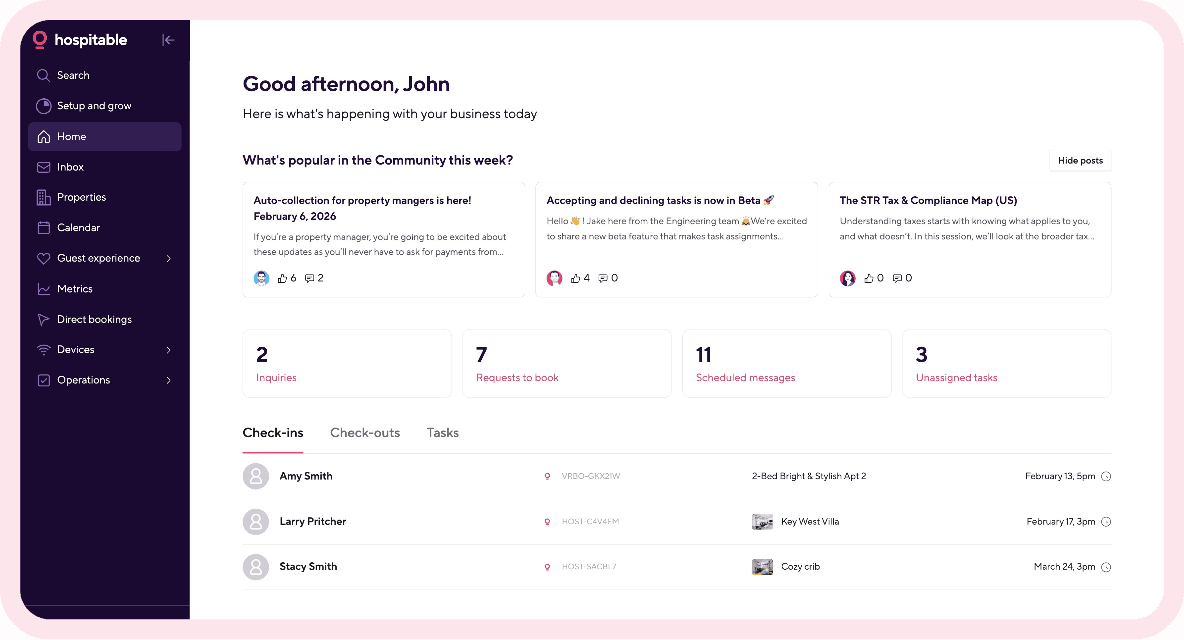
You should also decide whether you want to hire a property manager or self-manage your short-term rental. If you prefer to go a DIY route, a PMS like Hospitable can help you automate almost all repetitive daily tasks and save a lot of time.
Evaluate your property and location
Location is a significant factor that can influence the success of an STR property. It directly determines booking demand, occupancy rates, pricing flexibility, booking patterns throughout a year, and overall profitability.
If you’re buying, research and analyze different locations to pick an area with enough demand to sustain your STR business. Consider factors such as tourist attractions, local events, and seasonal fluctuations in occupancy rates. The best destinations for starting a short-term rental business are places with growing local economies, new travel links, strong tourism or business travel throughout the entire year, and low supply of STR properties. If you already own the property, use the same criteria to check whether the area has enough demand for short-term rentals before you invest in furnishing it.
High-performing STR properties typically offer proximity to business districts or tourist hotspots, walking distance to key attractions, and easy access to public transportation. They are located in safe, well-lit neighborhoods that are quiet enough for peaceful stays.
Check regulations and set up your business
Before you commit to a property or list one you already own, research local STR regulations and zoning laws in your area. STR regulations vary significantly from city to city, directly shaping what a property can earn. They cover registration and licensing, taxes, zoning rules, rental limits, and health and safety standards, and you need to understand and follow all rules and requirements.
You may want to check out our blog article to learn more about how STR regulations work in the US and how to stay compliant.
Once you know short-term rentals are allowed, set up the business side. Many hosts form an LLC to separate personal assets from business liabilities, although it isn’t required and the benefits depend on your situation and state. You’ll also likely need a local business license and a short-term rental permit or registration number, which some cities require you to display in your listing.
Don’t forget about occupancy taxes. Most states, counties, and cities charge lodging or occupancy taxes on short-term stays. Airbnb and Vrbo collect and remit some of these taxes automatically in many locations, but not everywhere and not always all of them. Check which taxes apply to your address and which ones the platforms handle, then register to collect and file the rest yourself. If you’re unsure, talk to a local accountant or attorney.
Get the right insurance
A standard homeowners or landlord policy usually doesn’t cover short-term rental activity. If a guest damages the property or gets injured during their stay, your insurer may deny the claim once it learns you rented the home to travelers. Talk to your insurance provider before your first booking and get a dedicated short-term rental policy or an endorsement that covers commercial use, guest liability, and loss of income.
Airbnb’s AirCover for Hosts includes damage protection and liability insurance, but it isn’t a replacement for your own policy. It has limits and exclusions, applies only to Airbnb bookings, and won’t help with stays from Vrbo, Booking.com, or your direct booking site.
Set Up the Basics That Keep You Out of Trouble
Once you’ve decided to go ahead, it’s time to get the property and your operations ready for guests. These basics keep things running smoothly and protect you from the most common problems new hosts run into.
Get your property guest-ready
Today’s travelers have high expectations about cleanliness, comfort, and functionality when they choose a place to stay during their trips. Short-term rentals usually cater to tourists and business travelers who prefer a homely stay to a hotel.
So, make the necessary repairs, upgrade amenities, and furnish the space tastefully to create a welcoming environment for your target guests. Your design choices should be based on guest values, and not your personal preferences.
Invest in durable furniture that can withstand frequent use, reliable appliances, and beautiful décor that aligns with your target guests.
Equip your home with high-speed WiFi, quality bedding, and a fully stocked kitchen.
Consider adding smart home features for security and convenience.
Install safety features and amenities (smoke detectors, carbon monoxide detectors, a fire extinguisher) to protect your guests.
Consider adding personal touches, such as a welcome basket with local treats and snacks to improve the guest experience.
Pro tip: Create a short-term rental inventory checklist to ensure you don't overlook anything and that your property is equipped to meet your guests’ needs and preferences.
Set up self-check-in and smart devices
Install a smart lock to offer your guests a smooth self-check-in. More and more travelers look for this option when searching for short-term rentals because it gives them the flexibility to arrive when they can and enter the property without meeting the host in person.
With a smart lock, you can give each guest a unique, time-limited door code so that they can access your rental independently. Smart locks integrate with property management systems like Hospitable, making it easy to automate the check-in process.
If you connect compatible smart locks to your Hospitable account, our system will automatically generate a unique access code for each reservation that only works during the stay and send it to your guests shortly before check-in.

You may also consider installing smart thermostats to automate temperature control at your short-term rental property and save on utility bills without compromising on guest comfort. Smart thermostats let you control the climate remotely and help reduce operating costs while keeping guests comfortable.
Hospitable supports several smart thermostat integrations. You can connect supported smart thermostats to Hospitable, and our STR super app will sync them with your booking schedule. Hospitable will also automatically adjust the temperature settings based on your guest’s reservation status and vacancy periods, saving you time and money.
Unlike most PMS that treat smart device management as paid add-ons, smart locks and thermostat management are included in Hospitable Professional and Mogul plans.
Hire reliable cleaners
Guests who book short-term rentals expect a spotless, hotel-like environment, and they notice the little things like a hair in the shower or a smudge on a mirror. If they walk into a space that feels half-cleaned, they will mention it in their reviews.
Vacation rental cleanings involve more tasks and more attention to detail than a regular home cleaning. They are fast-paced and leave no room for error. That’s why it’s best to outsource this task to professional cleaners who specialize in STR turnover cleanings and can do the job quickly and efficiently.
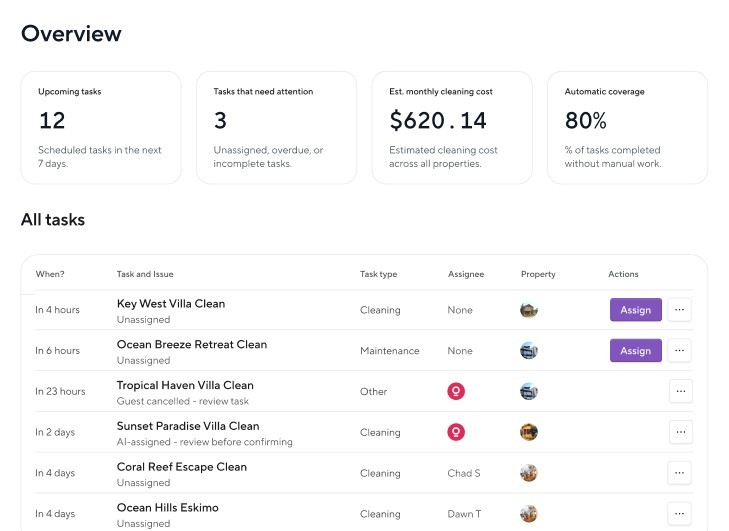
Create a detailed cleaning checklist for your cleaners to follow to maintain consistent cleaning standards and ensure your space is sparkling clean for every guest’s stay. Coordinating turnover cleanings will be easier if you automate this process with Hospitable.
With Hospitable Tasks, you can assign cleaning and maintenance jobs automatically based on check-ins and checkouts, track progress in real time, and pay your teammates when their job’s done. Your teammates can use their own portal to accept or reject assigned jobs, complete checklists, share updates, and track earnings and payouts.
List your rental
Create an attractive listing that can earn you more bookings. Write a compelling description that highlights your property’s best features and sells the experience of staying there. Emphasize unique amenities that your property offers and include details about the neighborhood, nearby attractions, and what makes your rental unique. Use relevant keywords to optimize your listing for search engines.
Add high-quality photos of each room in your home from different angles, along with pictures of the best amenities and focal points. Arrange photos in a sequence to create a visual tour of your vacation rental and help guests imagine themselves there.
Consider hiring a professional photographer who understands how to photograph interiors to maximize light and space and can present your rental in the best light. If you prefer to take photos yourself, check out our blog post for vacation rental photography tips on how to take pictures that capture potential guests' attention.
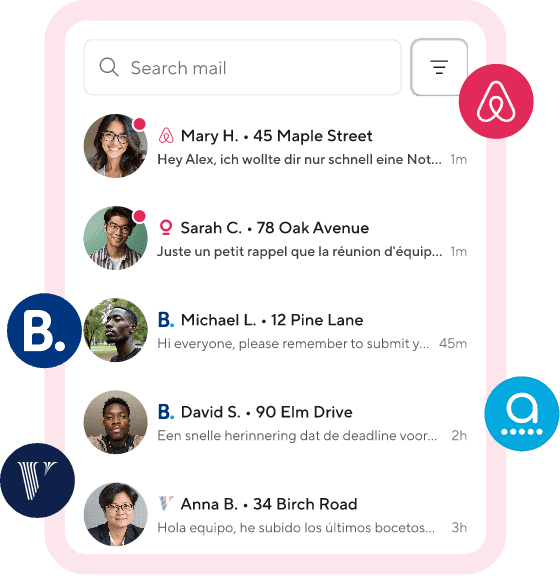
List your short-term rental on multiple channels to maximize visibility, occupancy, and revenue. Choose platforms where your target guests are searching for accommodation. Start by creating listings on trusted and popular global OTAs, such as Airbnb, Vrbo, Booking.com, and Agoda. This way, you’ll have an opportunity to reach millions of potential guests from around the world who may be interested in booking a stay at your rental. You may also consider adding niche and regional booking sites to your channel mix.
When you list on multiple channels, the real challenge is managing your calendars and keeping them updated in real time to avoid double bookings. So using a channel manager that connects to all your OTA listings and syncs your data automatically is non-negotiable.
For example, Hospitable has native API connections with major travel platforms, such as Airbnb, Booking.com, Vrbo, Agoda, and Google Vacation Rentals. Hospitable can sync your bookings, pricing, and availability to help you manage multiple channels simultaneously.
Set competitive pricing
Setting rates for your short-term rental requires balancing covering costs to keep your property running, making a profit, and staying attractive to guests. The most successful STR hosts use pricing strategies that reflect market trends, guest behavior, and what makes their property stand out.
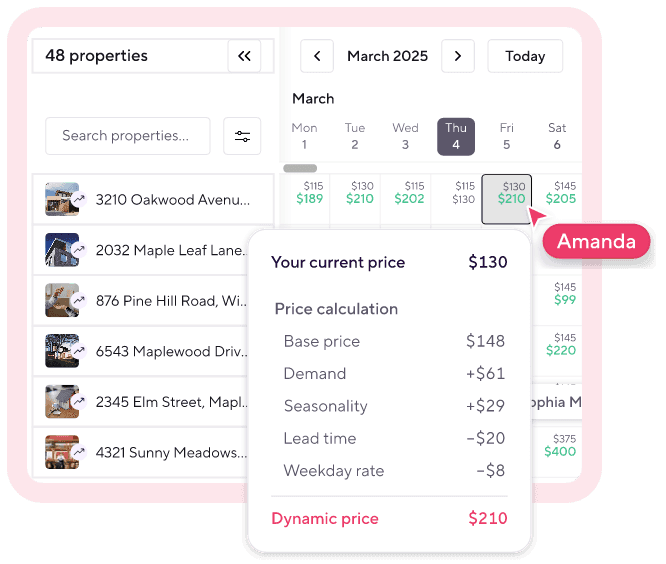
You need to calculate break-even costs first, research comparable properties in your area, and take into account demand patterns and seasonality. The easiest way to ensure that your property is priced appropriately for your location and in a way that will make your short-term rental business profitable is to automate your rates with dynamic pricing.
Hospitable users can take advantage of our built-in Dynamic Pricing feature that is included in Host, Professional, and Mogul plans at no extra cost. You can enable this feature for your property, choose a pricing strategy that aligns with your revenue goals, and Hospitable will automatically adjust your nightly rates based on market demand, seasonality, competition, and booking trends.
Protect yourself from problem guests
Most guests treat your home with respect, but one bad stay can cost you more than a month of bookings. Set up your defenses before the first reservation comes in.
Write clear house rules covering parties, pets, smoking, noise, and the maximum number of guests, and back them up with a rental agreement that guests sign before arrival. Collect a security deposit so you have something to fall back on if things go wrong. Screen guests before you accept: check their profile, past reviews, and the purpose of the trip, especially for last-minute local bookings.
Hospitable automates most of this. AI Guest Summary analyzes up to 10 past reviews left by other hosts for each incoming guest and flags unusual booking patterns. Through the Guest Portal, you can collect signed rental agreements, verify guests’ identity, and take security deposits before check-in, without chasing anyone by message.

Ensure effective guest communication
Good communication is the foundation of a pleasant guest experience. It keeps short-term rental guests happy and is key to maintaining positive reviews and high ratings and securing repeat bookings. You should be responsive to all inquiries, booking requests, and messages. Address any issues or concerns promptly and professionally to show your guests that you care.
You also need to be proactive and establish a structured message flow across key stages of the guest journey to provide your guests with the necessary information at the right time. Guest communication requires round-the-clock attention from hosts, but you don’t have to handle messaging manually. Hospitable comes with AI-powered automation tools and can help you run everything on autopilot.
You can use Inbox AI to communicate more efficiently:
Generate detailed, personalized responses for unusual guest questions based on data sources available in your Hospitable account, including the information you’ve uploaded to the property’s Knowledge Hub
Correct the messages that you’ve drafted: fix grammar, awkward phrasing, and improve clarity and tone
Enable AI Auto Reply to allow the AI to respond to guest messages automatically without your review. The Issue Alerts feature will notify you when a conversation requires your attention.
Keep your finances in order
You need to keep accurate records of your rental income and expenses related to running your short-term rental property to ensure a stress-free tax season and make informed decisions about property improvements and management. Hosts who ignore it often overpay taxes, miss short-term rental tax deductions, and discover financial problems months after they've developed.
So when you start a short-term rental business, separate your business and personal finances from day one. Open a dedicated bank account for your short-term rental that you use to receive platform payouts and pay all related bills. You should also establish solid vacation rental bookkeeping practices to record all financial transactions, track revenue from all your sources, and categorize your expenses.
Grow Your Revenue and Improve Your Operations
Once the basics are in place, you can focus on growing your income and making your operations more efficient.
Earn your first reviews
A new listing starts with zero reviews, and many guests skip properties without them. Your first few stays matter more than any others, so plan for them.
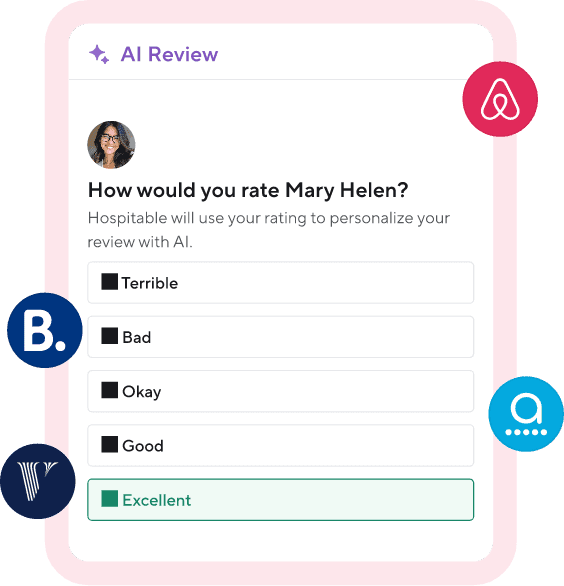
Consider pricing slightly below comparable listings for your first bookings to attract guests who are willing to take a chance on a new property. Airbnb even offers a built-in new listing promotion that discounts your first three bookings. Over-deliver on those early stays: check in with guests after arrival, fix small issues right away, and ask for a review in your checkout message. Leave a review for every guest promptly, too. On Airbnb, guests are notified when you’ve reviewed them, which nudges them to leave theirs.
With Hospitable, you can send review requests automatically and set up review rules to post reviews for your guests, so no stay goes without a review.
Accept direct bookings
While listing your short-term rental on OTAs is important for visibility, a direct booking channel saves you commission fees, which significantly reduce your net income. It makes you less vulnerable to OTA algorithm changes. A direct booking website also allows you to control guest relationships and manage your STR business on your own terms.
Now, building a website does not require a complex technical background. With Hospitable, you can create a modern, mobile-friendly direct booking website that presents your properties in minutes. Based on your needs, you can choose Direct Basic, our do-it-yourself option, or the Direct Premium plan. Direct Premium offers a full-service experience, including built-in tax calculation, chargeback protection, guest screening, and up to $5 million in damage protection.
You can list your Direct properties on Google Vacation Rentals so that travelers can discover them when searching for accommodation online. When guests find your listing on Google, they are directed to your Direct booking website, allowing you to get direct bookings without paying high third-party fees.
Increase revenue with upsells
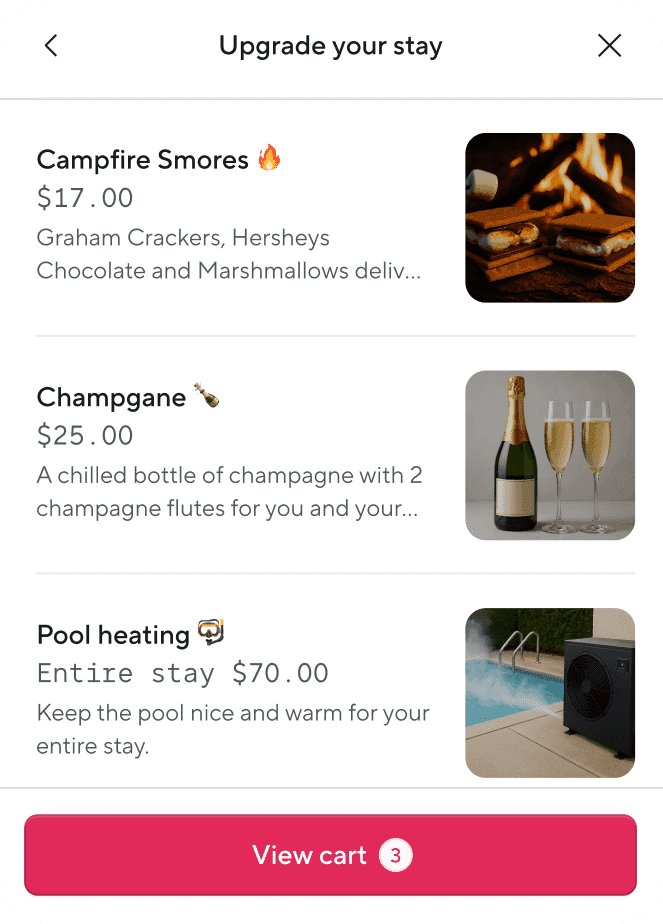
Upselling encourages your target guests to buy add-on services or amenities to improve their stay and make it more enjoyable. You can offer add-ons such as early check-in/late checkout, tailored decorations or amenities for special occasions, pet-friendly packages, guided local tours and experiences, bike or ski rentals, or gourmet food baskets.
When done right, upsells help improve the guest experience and allow you to open up new revenue streams with minimal effort. Offering valuable add-ons also sets you apart from competitors, which means stronger reviews and higher rebooking rates.
Hospitable can help you upsell without being pushy and automate the process. You can offer your guests paid add-ons directly through the Guest Portal without manual work. Just create a catalog of your offerings, send your guests the link to their guest portal, and let them choose upgrades while planning their trip or during their stay. When your guests purchase something, Hospitable handles payment processing, taxes, and payouts.
Automate beyond your PMS
Every PMS covers the standard tasks: messaging, pricing, calendars, and cleanings. But as your business grows, you’ll come up with ideas that no software offers out of the box. Maybe you want a weekly report that compares each property with the same period last year, a bonus for cleaners who keep a perfect review streak, or a list of guests who stayed twice and might book direct next time.
Hospitable is the only PMS with an official MCP server, which lets you connect an AI assistant like ChatGPT or Claude to your account in a couple of minutes, with no coding. Once connected, you describe what you need in plain English, and the AI works with your real booking, guest, and task data to make it happen. The agent won’t take any action in your account without your approval, and you can revoke access at any time.
Final Thought
Starting a short-term rental business is no simple endeavor. It requires careful planning and execution. From market analysis and selecting the right property to setting competitive pricing and managing guest experiences, each step plays an important role in your success. Using the right technology, providing exceptional service, and continuously seeking ways to improve will help you stay competitive and build a sustainable, profitable business.



Table of contents
Common questions
How do you start a short-term rental business?
Starting a short-term rental business begins with researching local demand, evaluating potential properties, and creating a business plan with realistic financial projections. Next, check local STR regulations, obtain any required permits, arrange appropriate insurance, and prepare your property for guests. Set up cleaning, check-in, pricing, and guest communication processes before publishing listings on platforms like Airbnb and Vrbo. A property management system like Hospitable can help automate daily operations from the start.
What are the biggest challenges of starting a short-term rental business?
The biggest challenges include finding a property with sufficient demand, understanding local regulations, managing startup and operating costs, and attracting guests in a competitive market. New hosts must also coordinate cleaning, maintain consistent guest communication, set competitive rates, and handle unexpected problems. Seasonal demand and the lack of initial reviews can make early bookings unpredictable. Careful planning, reliable service providers, and automation can help overcome these challenges.
Can you run a short-term rental business without a property manager?
Yes. You can self-manage a short-term rental business instead of hiring a professional property manager. This gives you direct control over pricing, guest relationships, and operations while avoiding external management fees. However, self-management involves coordinating bookings, guest messages, cleaning, maintenance, and other daily tasks. Property management software like Hospitable can automate messaging, calendar synchronization, dynamic pricing, smart lock access, and cleaning assignments, making self-management practical even as your portfolio grows.
How do you grow a successful short-term rental business?
Focus on delivering excellent guest experiences, earning positive reviews, maintaining competitive pricing, and increasing visibility across multiple booking channels. As your business develops, consider launching a direct booking website to reduce reliance on OTAs and offering paid extras to increase revenue per stay. Automating repetitive tasks and monitoring operating costs can improve efficiency and help you scale without proportionally increasing your workload.