OTAs
Vrbo Insurance: a Comprehensive Guide for Hosts
Discover how Vrbo insurance works and how to protect yourself and your assets when renting out your home to guests as a business.

When you list your property on Vrbo, you put someone in charge of taking care of your house or apartment while you are not there. You can't be sure that all your guests will treat your home like their own. In this guide, we'll talk about how Vrbo insurance works.
When you list your property on Vrbo, you put someone in charge of taking care of your house or apartment while you are not there. You can’t be sure that all your guests will treat your home like their own, so there’s no guarantee that you can avoid unpleasant surprises that may cost you a fortune.
That means you need to protect yourself beforehand with the right insurance. In this guide, we’ll talk about how Vrbo insurance works. We hope that this information will help you protect your vacation rental property in the way that works best for you.
If you list your property on several platforms, you may also want to learn more about Airbnb insurance.
Vrbo Insurance for Owners: Why Do You Need Special Insurance for Your Rental?
Most people who choose real estate side hustles to earn passive income have a homeowner insurance policy, but it has significant coverage gaps. Homeowner insurance is designed for an owner-occupied property, but vacation rentals are different. They are used for rental guest stays and owners’ vacations throughout the year, with periods when they’re unoccupied.
That’s why relying on it to cover the short-term rental you list on Vrbo, Airbnb, Booking.com, or other OTAs is a misinformed choice. You need a vacation rental insurance policy that can cover all three uses. And if you regularly rent your vacation property, you need business insurance. Without it, you’re vulnerable to the costs of property damage and liability suits.
Vrbo recommends Proper Insurance as its preferred home insurance vendor in the US because its policy is comprehensive. It’s also designed to address the unique exposure of vacation rentals.
So what does Vrbo insurance cover? It provides coverage for your building, contents (including furniture and small appliances), loss of income, and liability. Vrbo insurance for owners from Proper Insurance is offered in all 50 states.
As a host, it's critical to ensure your property is properly covered with a comprehensive insurance policy, because it gives you peace of mind and confidence. Then you’ll be able to focus on what you can do best—providing an amazing experience for your guests, and that’s impossible without effective communication.
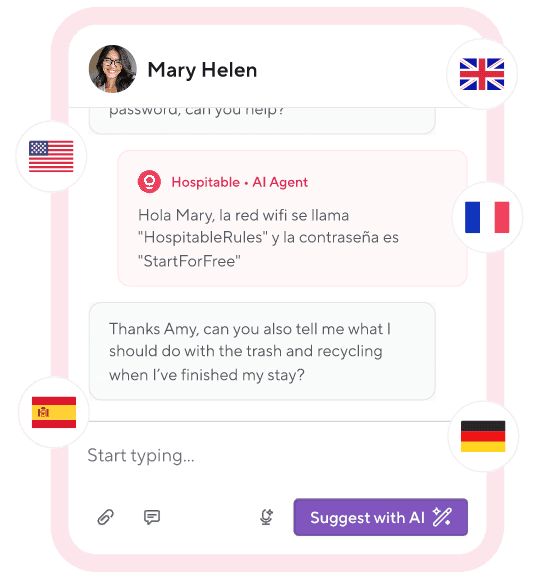
You should be available to your guests almost 24/7 and answer all their questions as fast as possible to make them happy. It’s a challenge, but you can automate this process with Hospitable.
Vrbo Liability Insurance
While vacation rental guests are on your property, you’re immediately liable for their safety. But typical homeowner policies may not provide liability protection when your house is used as a vacation rental. That’s why it’s critical to have appropriate coverage for liability issues that may arise when you rent out your home to a guest.
To help protect your financial well-being, Vrbo provides $1M Liability Insurance for owners and property managers. Vrbo Liability Insurance program is offered at no additional cost to you. It provides protection for every reservation processed through the platform, no matter where in the world your rental property is located.
If you don’t have liability insurance for your rental, the program still applies, but a 25% deductible may apply to a claim. If you already have a liability policy for your vacation rental, the program gives you $1,000,000 per year in added protection.
What Does Vrbo Insurance Cover?
Wondering how you’re protected? The program may provide coverage for claims made against you
If a traveler is accidentally injured while staying in your rental property;
If a traveler accidentally damages the property of a third party, for example, a neighbor, while staying in your rental property, and the third party sues you for that damage.
But keep in mind that $1M Liability Insurance doesn’t cover damage a traveler causes to your property. For those situations, you need a business insurance policy that covers property damage costs.
Vrbo Damage Insurance: What Are the Alternatives?
What else can you do to protect your Vrbo property from potential damage? Extensive damage to a rental property is rare, but smaller damage, such as broken glass or scuffed furniture, can occur occasionally.
So although there’s no Vrbo damage insurance, the platform provides hosts with several mechanisms to protect their rentals. Hosts can require travelers to purchase Property Damage Protection or pay for their damages with their own money.
To minimize the risk of damage, clearly communicate your expectations about events, pets, children, and smoking in your house rules. You can also require travelers to sign a legal rental agreement that details how they are expected to treat your property during their stay. This can help reduce the chance of a dispute if you need to file a Vrbo damage claim.
Vrbo Damage Deposit
You can set a damage deposit amount that your guests will be responsible for if they cause damage to your rental property. You’ll have up to 14 days after a guest checks out to file a claim. Vrbo will charge this amount on your behalf to the traveler’s credit card that they used for the booking.
Another option is an upfront refundable damage deposit that your guest will be charged when booking. Vrbo will hold it throughout the booking process and the guest’s stay. If no claim is filed, the Vrbo damage deposit will be refunded to the guest after 14 days.
Vrbo Damage Protection
Property Damage Protection is an optional insurance that you may allow your guests to purchase. It’s intended to protect Vrbo guests up to the coverage amount if accidental damage to the rental property occurs during their stay.
Guests will see the property damage protection charge during the booking process, just like the refundable deposit. Guests can also purchase additional travel insurance that includes Vrbo cancellation insurance. It protects their trip’s costs if they need to cancel or have an issue with booking or boarding.
It’s up to travelers to decide whether to buy Property Damage Protection during the booking process. Some hosts let guests buy it instead of paying a refundable damage deposit upfront.
Hosts determine the amount required across all types of damage deposits. Guests can see the amount in the “house rules” section of the listing and during the checkout process before they officially book the rental.
The Vrbo guests are responsible for treating your property with respect. But you should remember that you are also responsible for making sure your rental space is well maintained and guest-ready before each stay. That’s a lot of work, so you may want to hire a team to help you with cleaning and maintenance.
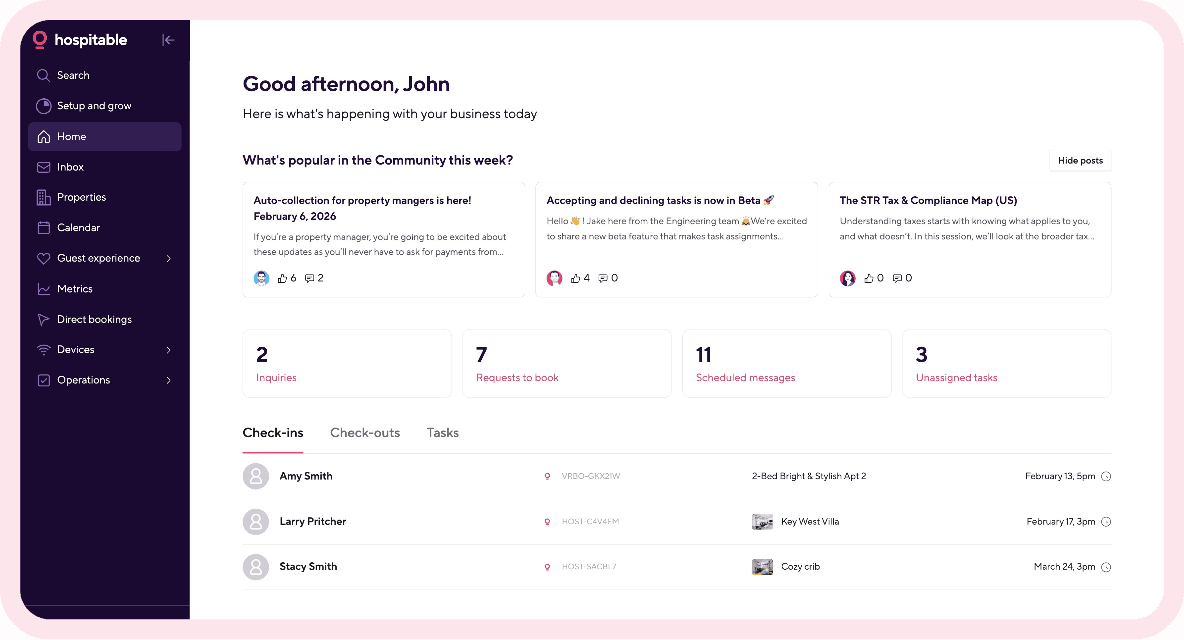
And short-term rental software like Hospitable will help you assign new tasks to all your team members automatically. Moreover, with Hospitable, you can automate almost all your operations and manage listings on multiple platforms as easily as one.
How to File a Vrbo Damage Claim
If you want to file a Vrbo damage claim, you must provide a brief description of the damages. Vrbo will share this description with the guest to inform them about it. The claim form doesn’t ask for photos, but it’s a good idea to keep before and after photos in case the guest disputes the claim.
Vrbo also encourages hosts to contact the guest directly before filing the claim, using their messaging platform. This open conversation lets you discuss the damage, the amount you intend to charge, and provide evidence such as before-and-after photos. If you do so, it can help reduce the chances that the guest will file a dispute.
Here is what you need to do to initiate the claim:
Log in to your account and select the listing if you have more than one rental property.
Click Inbox and select the traveler’s name. You can use the All Messages drop-down menu to filter your conversations.
Go to the Damage protection section and click Report damage.
Enter the Damage amount you want to claim (it can’t exceed your damage deposit).
Enter a description of the damage (this information will be sent to your guests).
Finally, click Confirm.
Keep in mind that you can file only one claim per reservation, so include all damages at once.
Vrbo Damage Waiver Fee
A damage waiver fee is a prepaid, non-refundable fee included in a rental home’s total price. It covers accidental damages to your rental property during the guests’ stay. But it doesn’t cover intentional damage, for example, caused by parties, and damage caused by the violation of the house rules, such as violating a “no smoking” policy.
Damage waiver fees are standard in many vacation rental homes and are included in rental agreements. They protect guests from paying upfront for minor damage, such as broken furniture, spills, scratches on surfaces like walls or doors, and stains. Many guests prefer paying an extra damage waiver fee because it doesn’t require a large security deposit before their stay.
Final thought
It’s essential to have insurance to protect yourself and your assets when renting your property to travelers, because unexpected accidents can happen to anyone. Keep in mind that your homeowner insurance may not cover renting out your home to guests as a business.
Vrbo insurance for hosts provides only basic liability protection and doesn’t cover damages caused by travelers to your property. So before you list your rental space on Vrbo, analyze what you want to protect and find additional vacation home insurance that fits your short-term rental business.