Industry Insights
Sustainable Design for Short-Term Rentals
Discover how you can bring wellness and sustainability principles into your vacation rentals, creating environments that support both physical health and emotional well-being.
The design of your STR property plays a crucial role in attracting guests and creating unforgettable stays that lead to 5-star reviews and repeat bookings. Today’s travelers prioritize sustainability and wellness, so they are looking for rental spaces that feel comfortable and inspiring, offer a sense of calm and connection to nature, and promote physical and mental health. Embracing current design trends that align with these evolving expectations can set your property apart as a thoughtful, responsible choice for travelers seeking a peaceful retreat, helping you win more bookings.
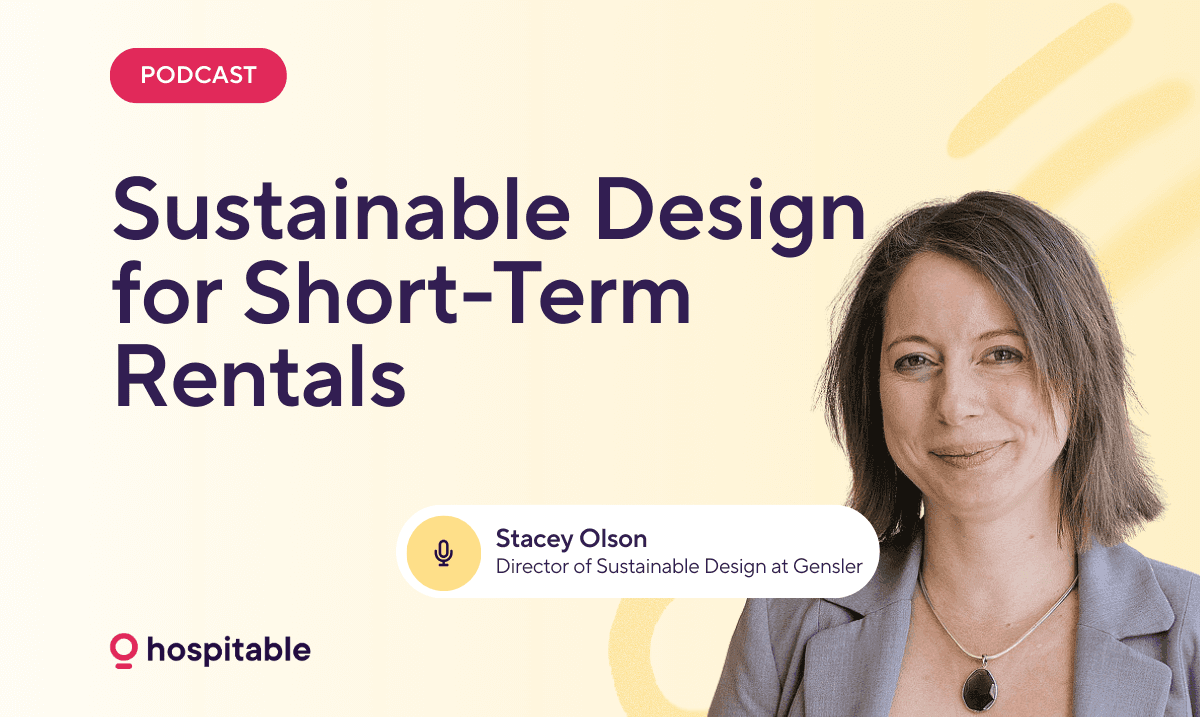
So, in this episode of the Hospitable Hosts podcast, we welcome Stacey Olson, Director of Sustainability and Global Wellness Leader at Gensler, a leading design and architecture firm. Stacey’s focus is on sustainability, health and well-being, and conscientious design. She joins us to discuss the principles and practices of sustainable and wellness design, trends in these areas across the real estate market, what they mean for short-term rentals, and how you can implement them in your space.
Press Play now to discover how you can bring wellness and sustainability principles into your vacation rentals, creating environments that support both physical health and emotional well-being.
If you prefer to read the highlights, we’ve got a summary of the key takeaways below.
Why Does Wellness-Inspired Design Matter?
Stacey points out that the wellness design isn’t new, but it's becoming more mainstream than the definitions of luxury, quality, or desirability. The concept of wellness design extends beyond aesthetics to create environments that enhance our natural state of well-being.
“It's about creating wellness integration as a matter of baseline these days. And if we don't have that, we're just not really contending with the industry. The actual ROI is very difficult to quantify. Still, if you don't embed these basic sustainability and wellness best practices, you're not going to be attracting that kind of buyer.”
Bringing Nature Indoors with Biophilic Design
Stacey underscores that wellness design is not a one-size-fits-all formula; it’s about intentional choices that prioritize physical and mental health and harmony, and these can differ for different people.
“At the core of it, we're really thinking about home as a sanctuary. And so, if your home is your sanctuary, how do you create that calming environment for yourself? And some people get really jazzed up by different things, right? Like, we think about low-sensory versus high-sensory, or the acoustics or tactile nature of things. There are going to be different components that resonate with different people, which is actually why I think it's really important to think about all 14 patterns of the biophilic design.”
Biophilic design involves incorporating natural elements into indoor spaces to improve people’s health, well-being, and overall quality of life. It includes strategies such as using natural light, dynamic textures, views of greenery, and thermal and airflow variability. Stacey explains that this design philosophy is about our love of life and taps into our innate desire to connect with nature.
“We know there's a ton of scientific data out there that shows the physical manifestations and positive impacts that nature has on our bodies. Everything from improving blood flow and heart health to reducing stress hormones. So bringing biophilia in different ways can be really powerful when thinking about creating that calm, nurturing sanctuary that we all want to have.”
About Sustainable Renovation
Stacey says she loves the idea of upcycling, which means giving items a second life. She also emphasizes the importance of thoughtful material selection and avoiding using glues and sealants that can help reduce your renovation’s carbon footprint.
“It's really important to think about how, if we're buying virgin materials, how we might be able to reuse them in the next iteration—avoiding the adhesives, sealants, and glues. I think more about the kind of craftsman-style joinery, or using nails, screws, or clips to hold materials in place. Then, you can dismantle those things and reuse them, maybe in a different configuration, and give them a second life.”
Stacey notes that when choosing materials, it’s important to avoid toxic substances. Make sure that composite wood products are formaldehyde-free. Avoid adhesives and finishes that contain volatile organic compounds (VOCs), which contribute to indoor air pollution. Be careful with plastic products like vinyl, which are full of Red List chemicals considered “the worst chemicals in the world” and pose a serious risk to human health and the environment.
Inclusive Design: Designing for Everyone
Stacey says she thinks inclusive design is the future fundamental baseline for great design because it's all about equal access so that everyone can navigate and enjoy spaces with ease and confidence, regardless of their abilities or circumstances. When designing for neurodivergent people, simple design choices can make a huge difference, helping reduce stress and anxiety and benefit everyone, not only those with specific needs.
“Trying to think about how you can provide people with access and control of their space across all of those needs is really important. When you come back to everyone, we're all looking for that indoor-outdoor connection. How do I bring in that biophilia, have that nature calm, and feel comfortable here? That's something that helps everyone feel at home.”
Listen to the full episode of the Hospitable Hosts podcast to learn more sustainable and wellness design practices that can make your vacation rental properties more inviting.


Table of contents
Why Does Wellness-Inspired Design Matter?
Bringing Nature Indoors with Biophilic Design
About Sustainable Renovation
Inclusive Design: Designing for Everyone